
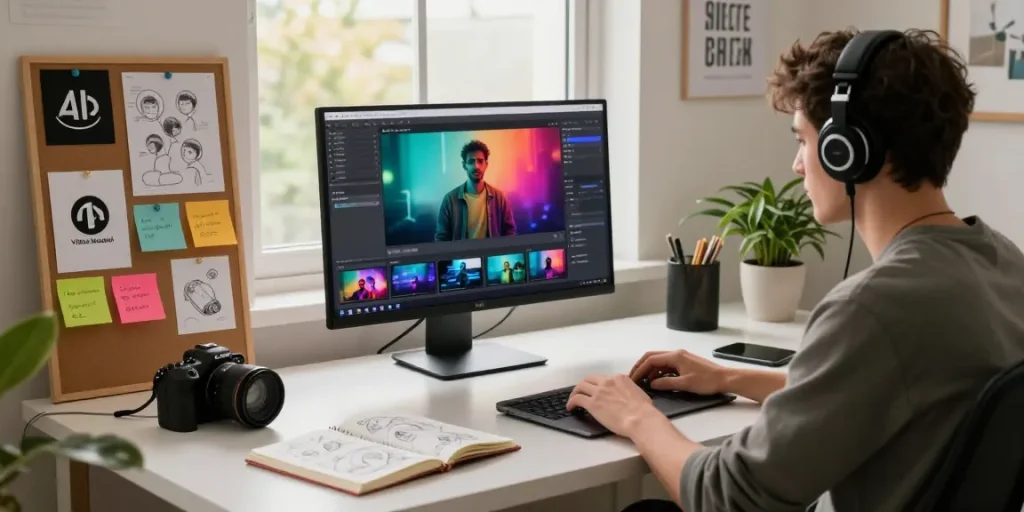
Understanding the Video to Prompt Converter
In an age where visual content dominates the digital landscape, creators are constantly seeking innovative ways to translate their ideas into compelling narratives. One of the most exciting advancements in this arena is the development of a video to prompt converter. This powerful tool allows users to transform any video into written prompts, enabling a seamless bridge between visual storytelling and written instructions tailored for AI models. Whether you’re a content creator, digital artist, or filmmaker, the ability to generate precise prompts can significantly enhance your creative output and streamline your workflow.
What is a video to prompt converter?
A video to prompt converter is a sophisticated tool designed to analyze video content and convert it into descriptive text prompts that are optimized for AI video generation. By utilizing advanced algorithms and artificial intelligence, these converters meticulously dissect each frame of a video, extracting key elements such as subject matter, actions, styles, and even camera movements. The result is a cohesive and detailed narrative that guides creators in producing similar videos or inspires new projects.
How does a video to prompt analysis work?
The process of video analysis typically involves several stages. First, the converter scans the video to identify its main components—this includes recognizing objects, actions, and the context of scenes. Next, it employs natural language processing to develop a clear and contextually relevant description that captures the essence of the visual content. Through this intricate process, creators receive prompts that not only describe what is visually represented but also suggest optimal ways to recreate that content using different AI tools.
Key features of VideoPrompt.fun
- Multi-format Support: The converter accommodates various video formats including MP4, MOV, and WEBM, up to 25MB in size.
- AI Model Optimization: Tailored prompts for leading AI models such as Sora2, Veo3.1, and Kling AI 2.6 enhance the relevance and performance of the generated prompts.
- Speed and Efficiency: Users receive detailed prompt analyses in seconds, allowing for quick iterations and adaptations in creative projects.
- Privacy Focused: The platform ensures user confidentiality by not storing uploaded videos, thus providing a secure user experience.
How to Use the Video to Prompt Converter
Using VideoPrompt.fun is straightforward and user-friendly, allowing you to transform your video content into actionable AI prompts in just a few simple steps.
Step-by-step guide to uploading videos
- Navigate to the VideoPrompt.fun interface, where you can find the upload section prominently displayed.
- Drag and drop your chosen video file or click on the upload button to select a file from your device.
- Ensure your video meets the format and size requirements for optimal processing.
Selecting AI models for optimized prompts
After uploading your video, you’ll need to select which AI model you want to generate prompts for. The selected model will determine the structure and complexity of the prompts. For instance:
- Sora2: Ideal for cinematic narratives.
- Veo3.1: Best for capturing high temporal consistency in video output.
- Kling AI 2.6: Focuses on generating physically accurate prompts.
Copying and utilizing your generated prompts
Once the analysis is complete, you will be presented with detailed prompts and an analysis report. Copy these prompts and integrate them into your AI video generation workflow. These prompts serve as essential guidelines to replicate or build upon the styles and techniques observed in your original video.
Benefits of Using VideoPrompt.fun
Adopting VideoPrompt.fun as your go-to tool for AI prompt generation offers numerous benefits that can significantly enhance your creative process and output quality.
Why choose VideoPrompt.fun over competitors?
While there are several video prompt converters available, VideoPrompt.fun stands out due to its tailored approach to prompt generation. It updates regularly to support the latest AI models and features, ensuring that users have access to the most effective tools for their creative endeavors. Furthermore, its no-cost feature democratizes access to advanced technology, allowing creators of all levels to leverage AI in their projects.
Advanced features for AI video generation
- Instant Analysis: Receive results in mere seconds, allowing for rapid adjustments and creative exploration.
- Comprehensive Prompt Generation: Extract complex structures and themes from videos, enabling nuanced creations.
- Integration with Image Prompting: The platform also offers tools for converting images into prompts, expanding its utility for visual artists.
Success stories from users
Many users of VideoPrompt.fun have reported significant improvements in their content creation workflows. Creators have shared experiences of successfully replicating popular video styles, resulting in increased engagement and positive feedback from their audiences. These success stories highlight the effectiveness of the tool in bridging the gap between visual inspiration and textual instruction.
Maximizing Creative Outputs with Prompts
While video prompt generation is a powerful tool, it presents certain challenges that users should be aware of to maximize their creative outputs.
Common challenges in video prompt generation
One of the primary challenges users face is understanding how to structure prompts effectively. Different AI models may require unique prompt formats to yield the best results. Additionally, identifying the key elements to extract from a video can also be daunting, particularly for complex visual narratives.
Best practices for creating effective prompts
- Be Specific: The more detailed your prompts, the better results you will achieve. Include descriptions of actions, settings, and emotional tones.
- Experiment with Different Models: Don’t hesitate to try multiple AI models to see which one best captures your creative vision.
- Iterate and Improve: Use feedback from the generated results to refine your prompts continually.
Future trends in AI video generation and prompts
The landscape of AI video generation is rapidly evolving. Innovations in machine learning and natural language processing are expected to enhance the capabilities of video to prompt converters further, enabling even more sophisticated analyses and outputs. As AI technology continues to improve, we can anticipate more seamless integrations between various media formats and creative tools, offering unprecedented opportunities for creators.
Frequently Asked Questions About Video to Prompt Converter
Here are some common questions regarding the functionality and usage of the video to prompt converter offered by VideoPrompt.fun.
Is VideoPrompt.fun completely free?
Yes, VideoPrompt.fun is entirely free to use. It aims to democratize access to advanced AI tools, allowing everyone to explore their creative potential without financial barriers.
What AI video models are supported?
The platform currently supports several leading AI models including Sora2, Veo3.1, and Kling AI 2.6. This wide range ensures that users can generate optimized prompts suitable for their specific creative needs.
Do you store uploaded videos for future use?
No, VideoPrompt.fun does not store any uploaded videos. This approach not only prioritizes user privacy but also ensures that the tool remains focused on providing immediate analyses without compromising security.
Can I convert images to prompts as well?
Yes, VideoPrompt.fun features an image to prompt converter that allows users to analyze visual art, generating prompts that capture the artistic style, color palette, and composition of the uploaded images.
Why are specific prompts necessary for different AI models?
Each AI model has unique operational characteristics and responds differently to prompts. Specificity in prompts ensures that the AI can effectively interpret and recreate the desired style and output, leading to better alignment between creator intent and generated results.